Vegan Eating in Tamraght
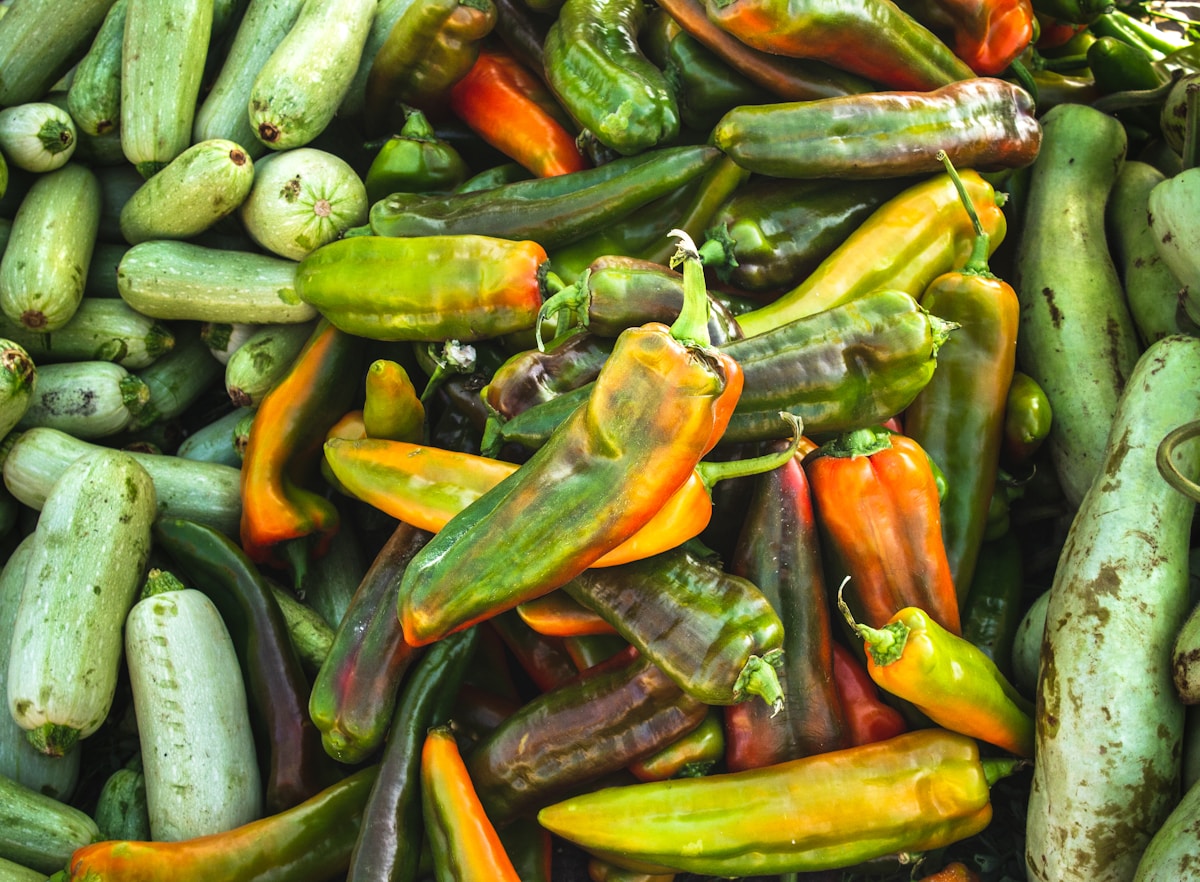
Tamraght’s food scene is smaller and less diverse than Taghazout’s, but the principles for vegan eating remain the same: Moroccan staple dishes are naturally plant-based, certain cafes have adapted to the health-conscious surf community’s dietary preferences, and self-catering through the local market is genuinely excellent. Being vegan here requires slightly more communication than in a Western country, but it’s entirely feasible.
Moroccan Vegan Staples
Tajine (the cone-shaped stew) is Moroccan cooking’s backbone. The vegetable versions — carrot and preserved lemon, potato and olives, chickpea and tomato — are naturally vegan. The key is confirming at the time of ordering that the tajine is made with oil, not butter or meat stock. Most restaurants will accommodate this directly, but some use butter as a default. Ask: “Is this made with oil only?” or “No butter, no meat stock?”
Zaalouk is a roasted aubergine and tomato salad, finished with olive oil, garlic, and spices. It’s always vegan and available everywhere — in cafes, restaurants, and markets. A plate costs 15–30 MAD and is genuinely delicious, more interesting than the generic salad.
Harira is Morocco’s famous tomato and lentil soup, traditionally made with meat stock. Vegetarian harira (made with vegetable stock or water) exists but isn’t the default. Ask specifically for harira without meat. Cafes serving the health/surf crowd usually understand this request.
Bread (khobz) is typically vegan — just flour, water, salt, yeast. Street bakeries produce rounds of bread daily. Bring a plate or bag and buy fresh from the oven for a few dirhams. Some cafes serve argan oil with bread, which is excellent and completely plant-based.
Couscous is made from durum wheat and traditionally served as a Friday dish (for lunch in Moroccan homes). The vegetable couscous is normally vegan, but check that it’s not finished with butter. The meat couscous obviously isn’t suitable.
Fresh juice (orange, watermelon, pomegranate, sugar cane) is available everywhere in the morning at market stalls or juice bars. Completely vegan, refreshing, and cheap (5–15 MAD per glass).
Vegan-Friendly Cafes in Tamraght
Let’s Be Healing Food — The most plant-forward cafe in Tamraght. Serves fresh, alive and organic food with a plant-based raw food philosophy. Menu: smoothie bowls, Buddha bowls, vegan burgers, kombucha, turmeric lattes, gluten-free options. Colourful and beautifully presented. Also serves fish tacos so it’s not 100% vegan, but consistently the top recommendation for plant-based eating. Eco-friendly decor. Located on the main street.
Hey Yallah — Specialty barista coffee alongside a vegan and gluten-friendly snack menu. Minimalist decor, hosts weekly events including Sunday markets with local female artists and occasional DJ nights. Good wifi when quiet. Doubles as a community hub for nomads and creatives.
Adam’s Cafe — Located next door to Let’s Be. Family-run with a leafy terrace. Not specifically vegan-focused but accommodates dietary preferences. Fibre optic wifi, no minimum consumption, a solid casual option for a longer sitting.
Blue Mind Morocco (surf camp) — If staying here or attending a yoga session, the kitchen provides high-quality vegan meals using organic and seasonal ingredients. The best option for anyone wanting fully catered vegan food.
The health-conscious culture around surfing in Tamraght has driven demand for plant-based options in some cafes. Smoothie bowls, açaí bowls, avocado toast, and salads appear on menus more commonly here than in traditional Moroccan restaurants. The quality and authenticity varies — some are genuinely made with care, others are lazy interpretations.
Look for cafes that source their produce from local markets (a sign they’re serious about ingredients) rather than buying pre-made syrups and mixes. Homemade smoothies taste better and are usually cheaper than branded alternatives.
Practical Dining Approach
When ordering, be specific about your dietary preference. “Vegetarian” in French (végétarien) is understood but sometimes interpreted as “no meat” while butter, ghee, or fish sauce might still be included. “Vegan” (vegan in French, pronounced “vay-gun”) is increasingly understood, especially in tourist-facing establishments.
State your preference at the time of ordering, not after the food arrives. Most restaurants will adjust. If a dish typically comes with meat, ask for the vegetarian version. If you’re unsure about hidden animal products (some Moroccan dishes use fish sauce, though it’s rare in Tamraght), ask: “Does this have any fish, butter, or animal stock?”
Communicating in simple French is most effective. “Je suis vegan, pas de viande, pas de beurre, pas d’oeufs” (I’m vegan, no meat, no butter, no eggs) is clear and understood.
Self-Catering and Markets
Self-catering is genuinely excellent in Tamraght and the surrounding area. The Aourir market (a 10-minute walk or grand taxi ride south) is Morocco’s largest fruit and vegetable market and the best option for variety and price. Open daily from dawn until early afternoon, Aourir sells produce in bulk at wholesale prices. Fresh vegetables, fruits (oranges, avocados, tomatoes, peppers, salad greens, herbs) are extremely cheap — a week’s groceries for one person costs 50–100 MAD (€5–10).
Tamraght’s small minimarts stock basics: pasta, rice, tinned chickpeas and tomatoes, olive oil, garlic, onions, salt. Not every item you might want, but enough to cook simple Moroccan meals. For more variety, Agadir’s Marjane or Carrefour (30 minutes by grand taxi) has international foods, plant-based cheese alternatives, and packaged goods.
Cooking setup: Most riads and guesthouses in Tamraght have kitchen access (either private or shared) for monthly guests. If you’re staying short-term, kitchens may be limited. Confirm kitchen access before booking.
Eating Budget
A restaurant meal for one person (tajine, bread, tea): 30–50 MAD. A cafe meal (salad, juice, pastry): 25–45 MAD. Market groceries for self-catering: 20–40 MAD per day for one person.
Over a week, restaurant eating costs 250–350 MAD; self-catering costs 140–280 MAD. Long-term stays favour self-catering both financially and for control over ingredients.
Dietary Considerations
Restaurants sometimes use oil from animals: Less common now, but some older establishments cook in rendered fat or ghee rather than pure oil. If you’re stricter about this, ask directly: “Is this made with vegetable oil only?” or inspect the dish — food cooked in animal fat often has a distinctive appearance and smell.
Cross-contamination: Most casual cafes don’t manage separate prep areas for vegan dishes. If you have severe allergies or strict cross-contamination concerns, self-catering is your safest option.
Preserved lemons: Common in Moroccan cooking and vegan. Made from lemons, salt, and oil. Perfectly plant-based.
Argan oil: Uniquely Moroccan, completely vegan, and delicious. Drizzle it on bread, salads, or soups. Local production around Taghazout and Tamraght, so it’s authentic here rather than a tourist novelty.
FAQ
Is it difficult to be vegan in Tamraght?
No. Moroccan food is naturally plant-based friendly — vegetables, legumes, and oil are the foundation. Communication matters (confirming no meat stock or butter), but restaurants are accommodating. Larger cities like Marrakech have dedicated vegan restaurants; Tamraght doesn’t, but eating vegan here is straightforward.
Can I eat safely without speaking Arabic or French?
Yes, if you stick to restaurants and cafes. “Vegetarian” + pointing at the menu works. For the market, learning numbers in French (un, deux, trois, etc.) helps, but many market vendors understand basic English and can name vegetables. Prepare a simple note in French that you can show: “Végétarien, sans viande, sans beurre” (vegetarian, no meat, no butter).
Is the produce in Aourir market clean to eat raw?
Yes. The market is high-volume and produce is fresh. Wash vegetables in tap water (which is drinkable in Tamraght and Taghazout). There’s no need for special preparation beyond normal market shopping in a Western country.
Are there specific times to eat meals here?
Moroccans eat breakfast early (7–8am, typically bread and jam), lunch around noon–1pm (the main meal), and dinner late (8–9pm or later). Restaurants serve these hours. Cafes serve coffee and pastries early, then transition to full meals by 11am. If you’re used to eating at different times, cafes are more flexible than formal restaurants.
What about hidden animal products in sauces or stock?
Fish sauce is rare in this region despite Morocco’s coast. Meat stock is common in tajines at traditional restaurants but the vegetable versions use water or vegetable stock. Always confirm. Hidden butter is more likely — ask at the time of ordering.
Can I eat Moroccan food if I’m allergic to nuts?
Most traditional Moroccan cuisine isn’t nut-heavy (that’s more Middle Eastern). Tagines sometimes include almonds or walnuts, but these are visible and you can request they be omitted. Argan oil (a nut oil but a prepared oil) is used widely. If you have a severe allergy, mention it clearly and check menus for specific ingredients.
Is alcohol available?
Morocco is Muslim-majority and alcohol isn’t promoted. It’s legal and available in restaurants that serve tourists and in some supermarkets (wine and beer), but it’s not mainstream. Specific request may be needed at local cafes. Agadir’s supermarkets and tourist restaurants stock it reliably.
Last updated: April 2026
Related articles: Vegan eating in Taghazout, Markets and shopping in Taghazout, Food guide to Taghazout, Restaurants in Taghazout