Best Time to Visit Taghazout: A Month-by-Month Guide
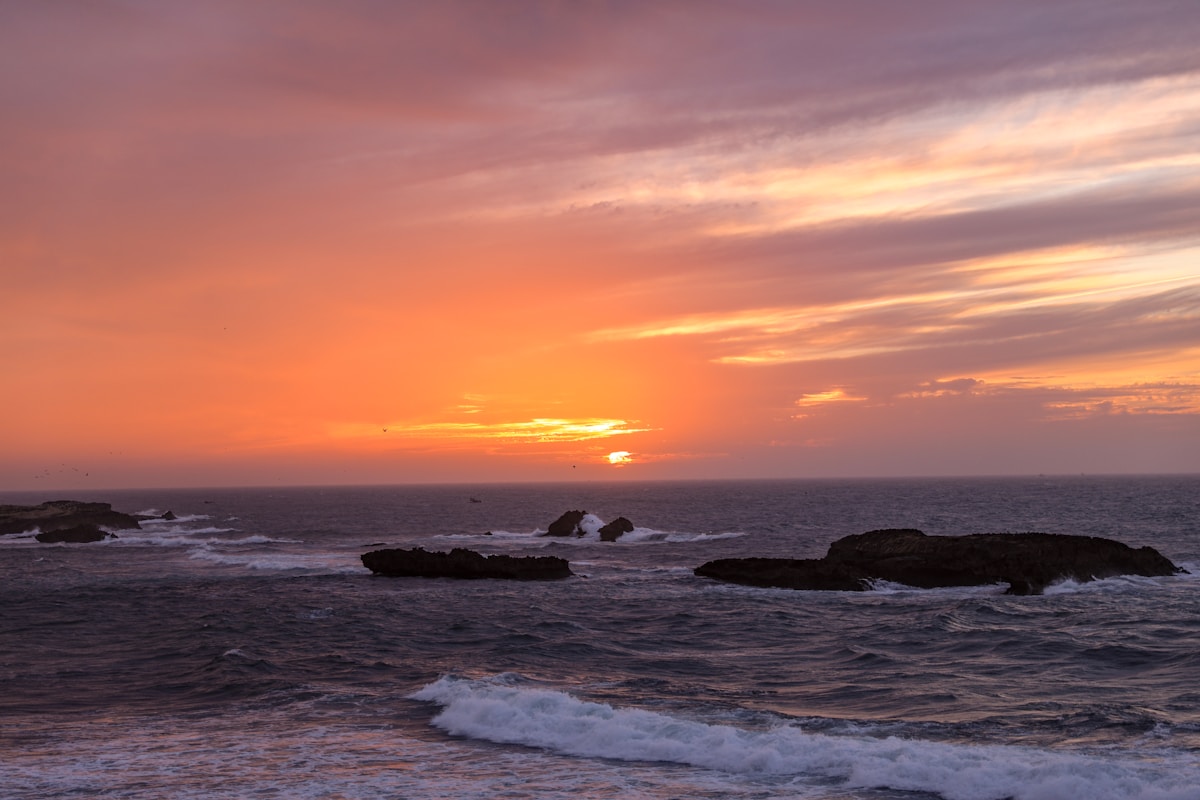
Morocco’s Atlantic coast is accessible year-round, but the choice of season dramatically changes what you’ll experience. Taghazout’s two distinct personalities are shaped by the Atlantic swell calendar and European holiday schedules. The best time depends on whether you’re chasing waves, beach weather, or solitude.
Surf Season vs Tourist Season
The Atlantic swells drive Taghazout’s rhythm. The Northern Hemisphere autumn and winter (October–April) deliver consistent swells from Atlantic storms, fuelling a steady parade of quality waves. Summer (June–August) is flat, hot, and crowded with Moroccan families on holiday. The shoulder months (September and May) are transition periods—unpredictable swell but fewer crowds.
If you’re not surfing, the weather and crowd calendars matter more. October–April also means cooler temperatures (15–20°C daytime, 8–12°C evenings), requiring a light jacket. June–August is hot (25–30°C), perfect for beach swimming but intense for hiking. Spring and autumn offer a middle ground: warming or cooling temperatures and less extreme crowds.
Month-by-Month Breakdown
| Month | Swell | Temperature | Crowds | Water Temp | Best For |
|---|---|---|---|---|---|
| January | Excellent | 14–18°C | Very high | 17–18°C | Serious surfers (if accepting crowds) |
| February | Excellent | 14–19°C | High | 18–19°C | Serious surfers, less crowded than Jan |
| March | Good | 16–21°C | High | 19°C | Surfers, spring break crowds |
| April | Moderate | 18–24°C | High (Easter) | 19–20°C | Mixed; swells easing, warming up |
| May | Moderate | 20–26°C | Moderate | 20–21°C | Non-surfers; warm, fewer crowds |
| June | Flat | 23–28°C | Very high | 21°C | Not ideal; hot, flat, busy |
| July | Flat | 25–30°C | Very high | 21–22°C | Beach swimming; avoid if possible |
| August | Flat | 25–30°C | Very high | 22°C | Beach swimming; avoid if possible |
| September | Moderate | 22–27°C | Moderate | 21°C | Transition; swells building, clearing crowds |
| October | Good | 19–24°C | Low–Moderate | 20°C | Excellent overall; swells + warm + not crowded |
| November | Excellent | 16–21°C | Moderate | 19°C | Peak swell; consistent; good balance |
| December | Excellent | 14–19°C | High (holidays) | 18°C | Great swells but Christmas/New Year crowds |
Peak Swell Season: November–March
This is the core Atlantic swell window. Consistent lows in the Atlantic generate regular, sized-up swells hitting the coast 2–3 times weekly. November–March is when the breaks produce their best and most consistent sessions. Taghazout’s points and reefs light up. If you’re a serious surfer and committed to waves, this is when to come.
The catch: November–March overlaps with European winter holidays. December 20–January 10 and Easter week bring peak tourist density. Taghazout fills with holiday-makers, accommodation prices spike 20–30%, and the scene becomes frantic. The absolute best value within swell season is early November and late February–early March, when swells are still solid but holiday crowds have thinned.
Water temperature during peak swell (December–February) is 17–19°C. You’ll need a 3/2mm winter wetsuit or a 4/3mm if you run cold.
Shoulder Seasons: September–October & April–May
September is a transition month. Atlantic swells are building back after summer dormancy, but not yet reliable. Expect inconsistent conditions (some days firing, others glassy and small) and moderate crowds as Europeans return from summer and dip their toes in autumn travel. September works if you’re flexible on swell or content with one or two good days per week.
October is arguably the best overall month for balance. Swells are returning consistently, the summer crush has evaporated, water is still warm enough for 2mm or rash guards some days, and daytime temperatures are pleasant (19–24°C). The coast is green again after summer heat. October is the underrated sweet spot: reliable waves, comfortable weather, and a village that still feels like itself.
April–May is spring. Easter holidays (March 30–April 13 in 2026) create a spike in families and long-weekend travellers. Post-Easter, the coast clears significantly. May is warm (20–26°C), swells are easing, but it’s uncrowded and peaceful. May suits people who prioritise quiet and comfort over heavy swell.
Summer: June–August (Avoid Unless Beach-Only)
June–August is summer in the Northern Hemisphere. Europeans and Moroccans flood beaches. Taghazout becomes a conventional beach resort. Swells are flat or minimal (Atlantic storms are in the Southern Hemisphere). Water temperature is warm (21–22°C), so swimming is easy, but there’s no swell to speak of.
Accommodation prices peak, availability is tight, and the village is crowded. The landscape is brown and dry. If your primary goal is surfing, skip these months entirely. If you’re purely a beach swimmer or digital nomad working from cafés, June and July are tolerable before August becomes unbearably hot. September is the better choice for clearing crowds while retaining summer warmth.
Rainfall and Winter Weather
Taghazout sees most rain December–February, but “rain” is relative. It’s typically brief showers between clear spells, not the all-day downpours of northern Europe. One or two days a week might have rain; the rest are clear. Hypothetically, you could experience a rainy week—unlikely but possible. The argan landscape and small rivers briefly green up after rain, which is visually distinctive.
Heavy Atlantic storms that generate good swell also sometimes bring wind and chop. The offshore winds (Harmattan from the south and east) can clean up the swell, but onshore winds can mess conditions. November–February has variable conditions; some days are textbook perfect, others are windier than ideal.
Ramadan Consideration
Ramadan moves annually (it follows the Islamic calendar). In 2026, Ramadan runs March 1–30. If you’re visiting during Ramadan, restaurants and cafés remain open for tourists, but service hours are often reduced (closing at sunset for the iftar meal). Many locals are fasting from sunrise to sunset, affecting general energy levels and some infrastructure. Eating or drinking publicly during fasting hours, while legal, is culturally disrespectful.
That said, Taghazout is a tourist hub, and the fasting period is less noticeable than in traditional Moroccan cities. If Ramadan falls during your planned travel, it’s not a reason to cancel, but it’s worth knowing the context.
Weather and Gear by Season
Winter (November–March): Bring a 3/2mm or 4/3mm wetsuit, a warm jumper or fleece for evenings, and layers. Daytime is mild enough for t-shirts in the sun, but evenings (especially on the coast) are cold.
Shoulder (September–October, April–May): A 2mm spring suit or rashguard for mornings, layers you can shed by afternoon. Evenings still cool in April–May; warmer in September–October.
Summer (June–August): Minimal gear needed. Bikini, board shorts, rash guard for sun protection. An evening sweater for air-conditioned restaurants. No wetsuit needed.
FAQ
What’s the best single month to visit Taghazout?
October. Consistent swells, warm water and air, no major holiday crowds, and a village that still has character. November is close behind but slightly cooler and busier.
Should I visit in December or January?
Only if you accept and budget for peak-season crowds and prices. Swells are excellent, but Taghazout is packed, accommodation is expensive, and it feels less like a small village. February is a better choice within the high-swell window.
Is Ramadan a dealbreaker?
No. Taghazout is a tourist hub; restaurants remain open and services continue. It’s less disruptive than in traditional cities. Just be respectful if you see locals fasting.
How cold is the water in winter?
17–19°C (November–February). You need a 3/2mm or 4/3mm wetsuit unless you run extremely warm. Water temperature rarely drops below 16°C even in January.
Can you surf in summer?
Almost never. The Atlantic is dormant (Southern Hemisphere storms are too far away to reach the Moroccan coast). Summer swells are 1–3 feet, mostly closeouts. Summer is for beach swimming and digital nomadding, not surfing.
What if I can only visit in summer?
Go to a different Moroccan destination (desert, mountains, medinas) instead, or resign yourself to flat spells and frequent beach days. Taghazout in July–August is a regular beach town, not a surf destination.
Last updated: April 2026