Packing List for Taghazout: Everything You Actually Need
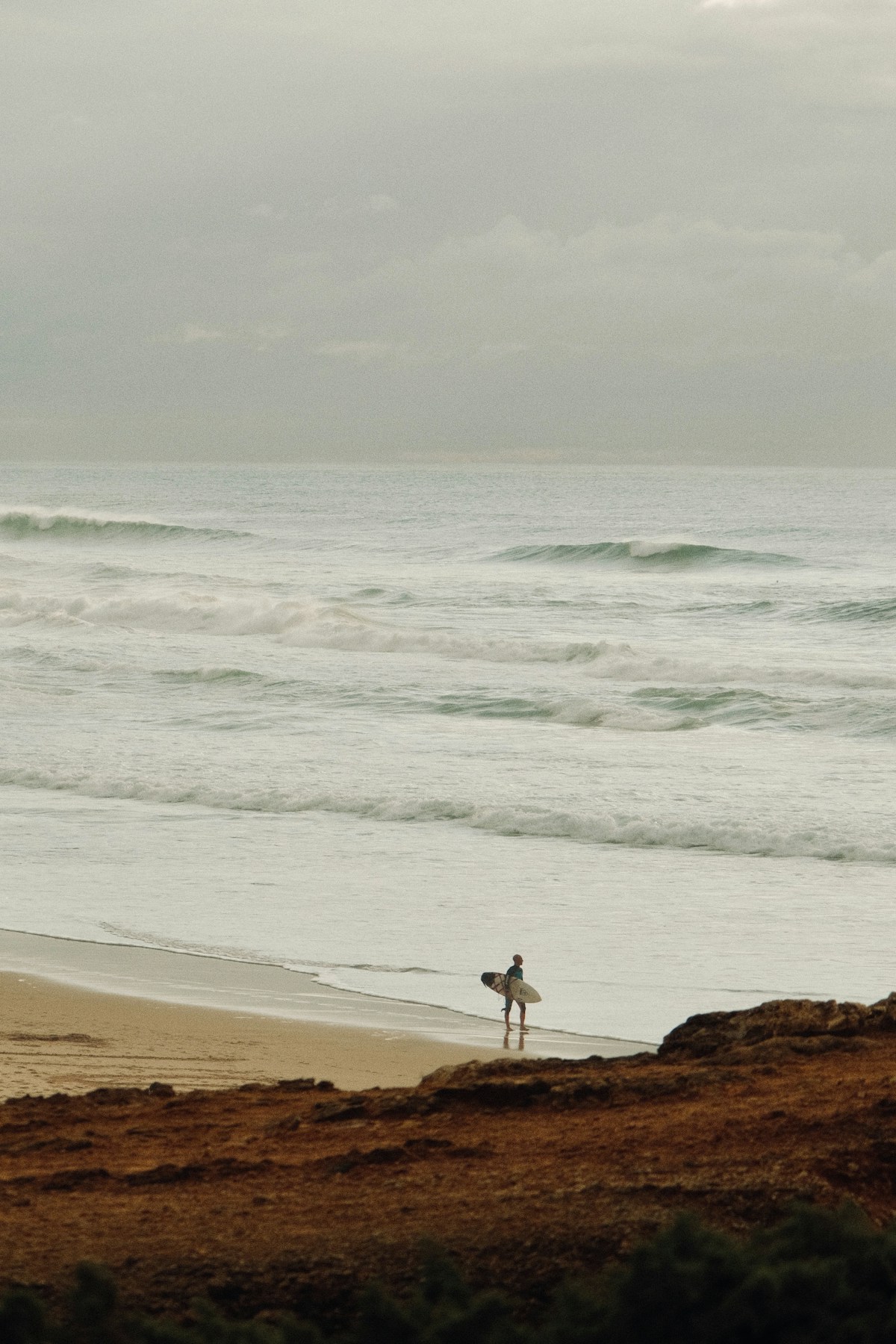
What you pack for Taghazout depends on when you’re going and how long you’re staying. A week in November is radically different from a month in May. This guide covers the essentials and the mistakes people make.
Surf Gear
Assuming you’re visiting to surf (or planning to start):
Wetsuits: This is non-negotiable if you’re visiting November–April. The water is 17–20°C. A 3/2mm winter suit is the standard choice. If you run cold, get a 4/3mm. If you’re visiting May–September, a thin spring suit (2mm) or just a long-sleeved rashguard is enough. Water temperature rises to 21–22°C.
The decision: bring your own suit (expensive to fly with but guaranteed fit) or rent locally (cheaper, easier to pack, but variable quality). Rental costs 30–50 MAD per day or 150–200 MAD per week. If you’re staying 2+ weeks, buying a cheap suit in Taghazout makes sense—basic 3/2mm suits are available locally for 400–700 MAD.
Board shorts and rashguards: Essential for sun protection (the Atlantic light is deceptive and burns fast). Bring 2–3 pairs. Reef cuts are common, so coverage matters.
Reef booties: Bring a pair if you own them. Taghazout’s breaks have rocks and sharp coral—protection saves pain. If you don’t own any, basic ones (150 MAD) are available locally.
Wax: Bring a bar or two from home. Local wax is available in Taghazout but a touch pricier. One bar lasts weeks.
Fins and leash: If you’re bringing a board (rare), bring these. If renting a board, the rental includes a leash and fins.
Sunscreen: Bring from home. SPF 50+ is essential. The sun at this latitude reflects off the water and concrete; you’ll burn faster than you expect. Local sunscreen is available but expensive (80–120 MAD for a small tube). A 1-litre bottle from home lasts a month and costs a fraction of local prices.
Clothing
Layers for cool months (October–May): Bring 2–3 light layers (t-shirts, long sleeves) and one warm layer (fleece, merino wool jumper). Taghazout’s evenings cool down, especially by the coast. You don’t need heavy insulation—a good jumper and that’s it.
Shorts and trousers: 2–3 pairs of shorts for daily wear, one pair of longer trousers or travel pants for cooler evenings or town. Moroccans dress conservatively in towns; women especially should cover shoulders and knees when walking around Taghazout village or visiting Agadir. The beach is fine in swimwear.
Shoes: Good hiking trainers (for coastal walks and hikes), flip-flops or sandals, one pair of slip-ons or shoes suitable for cafés and restaurants. Moroccans don’t wear shoes indoors at riads; slip-ons make entry and exit easier.
Underwear and socks: Pack 5–7 days’ worth. Laundry services are cheap (10–30 MAD per item) and quick in Taghazout. You’ll do laundry weekly.
Warm layer for summer: Even in July–August, coastal air cools at night and restaurants have aggressive air conditioning. A lightweight cardigan is enough.
What not to pack: Don’t over-pack warm clothes. Taghazout doesn’t get cold—it’s only “cold” by beach standards. A good jumper is sufficient for even February. You’ll waste luggage space.
Tech and Electronics
Charger adapters: Morocco uses Type C sockets (EU standard). Bring a multi-socket adapter that covers Type C. A dual USB-C charger covers phone and laptop.
Power bank: Useful given the occasional café wifi dies or you’re on long beach walks. 10,000–20,000mAh is sufficient.
Phone and SIM: Your phone works, but you’ll want a local SIM immediately. Skip international roaming; it’s expensive and unreliable. Moroccan SIM cards cost 30–50 MAD with 10–30GB data bundles for 50–150 MAD. See internet and SIM guide.
eSIM option: If your phone supports eSIM, services like Airalo work in Morocco (typically 5–10GB for $10–15 USD). Convenient if you want to avoid shops.
Offline maps: Download Google Maps or Maps.me for offline use. The coast is generally well-connected, but offline backup helps on hikes.
Laptop: Taghazout has solid co-working cafés with reliable wifi (see co-working guide). If you’re staying 3+ weeks or working remotely, a laptop is useful; otherwise, a phone and tablet suffice.
Camera: A phone camera is adequate for photos. If bringing a dedicated camera, skip expensive gear—backpack theft is rare but not impossible. A compact mirrorless or good smartphone camera is practical; a $2,000 DSLR is overkill for a beach town.
Health and Sun Protection
Sunscreen: Bring it from home (as noted). SPF 50+ minimum. Reapply after swimming. Budget 1.5–2 bottles per month if spending significant time in water or walking.
Lip balm with SPF: The sun hits hard at this latitude. Bring a stick of SPF 30+ lip balm.
First aid: Reef cuts are common and prone to infection. Bring a small kit: plasters, antibiotic cream (Neosporin), tweezers (for reef splinters), and pain relief (paracetamol, ibuprofen). A pharmacy in Taghazout can resupply.
Vitamins: Bring any regular supplements from home. Moroccan pharmacies have basics but your specific brand might not be available.
Medications: Any prescription medications should be brought in full quantities. Bring copies of prescriptions or a doctor’s letter. Moroccan pharmacies are well-stocked for common ailments, but regulars are better sourced from home.
Malaria: Not a risk in coastal Taghazout. No prophylaxis needed.
Stomach care: Bring Imodium and an antacid (Tums). Taghazout’s food is generally clean, but digestive shifts happen. Local pharmacies sell remedies, but familiar brands are easier.
Insect repellent: Mosquitoes exist but aren’t aggressive on the coast. A basic DEET spray is fine (available locally if needed).
Money and Documents
Passport: Valid for at least 6 months beyond your travel dates (Morocco’s standard requirement). Bring a photo copy or scan stored digitally (Google Drive, email) in case of loss.
Cash and cards: Morocco is increasingly card-friendly in tourist areas, but cash is king outside Taghazout. Bring a mix. ATMs are reliable in Taghazout and Agadir; withdraw 1,000–2,000 MAD (about £75–150) at a time. Moroccan Dirham cannot be exchanged outside Morocco; you cannot take it home. Spend or exchange it before departure.
Travel cards: Wise or Revolut cards work in Morocco and avoid bad exchange rates. Bring your main card plus a backup.
Insurance: Travel insurance with surf coverage is essential (standard policies exclude water sports). Budget 5–15 GBP for a month of cover.
What to Buy There
Argan oil: Genuine argan oil is significantly cheaper in Morocco than abroad. Buy from the women’s co-operatives in Taghazout or at Aourir’s Sunday souk. Expect 80–150 MAD per 250ml bottle. Avoid airport shops (tourist markup).
Local produce: Fresh fruit and vegetables at Aourir souk or Taghazout’s small markets are cheap and excellent. Oranges, avocados, tomatoes, olives.
Leather slippers (babouche): Taghazout has a small leather artisan shop. Basic babouche run 100–200 MAD. They’re practical for riads (you take shoes off) and cheap enough to justify the pack weight.
Spices: If you’re cooking in an apartment, bulk spices at markets are phenomenal value—cumin, cinnamon, coriander, sumac. 20–40 MAD per container.
What Not to Bring
Alcohol: It’s legally sold in Morocco but limited in availability and socially not mainstream. If you drink, spirits and wine are available in Taghazout’s tourist shops but at inflated prices (180–350 MAD for wine). Budget accordingly or just order beer (Casablanca, Heineken, local brands) at cafés (30–40 MAD per bottle). Bringing alcohol in checked luggage is allowed but not in carry-on.
Excessive warm clothing: You will overpack. Three jumpers maximum. One decent fleece handles November–March evenings. Anything beyond that is wasted space.
Expensive jewellery or watches: Taghazout is safe, but petty theft isn’t zero. Leave the heirloom watch at home.
Complicated medications without paperwork: Bring a prescription letter for anything controlled. Moroccan customs can be unclear on personal medications.
Luggage Recommendations
A 40–50L rucksack suits most stays (1–6 weeks). If you’re coming for one week, a 25L carry-on works. Pack light: laundry is cheap, and you can resupply basics locally. Assume you’ll be doing laundry weekly and won’t need seven days of clothes.
Taghazout isn’t a luxury destination. You’re there for waves, coast, and the vibe, not to unpack an elaborate wardrobe. Dress practicality over style.
FAQ
Should I bring my own board?
No, unless you own a travel-specific board and have flying experience. Renting is easier and cheaper. Bring your wetsuit instead—rental wetsuits can be hygiene-questionable.
Can I buy a wetsuit locally?
Yes. Basic 3/2mm suits are available in Taghazout for 400–700 MAD. Quality is acceptable for recreational surfing. Better suits (600–1,200 MAD) exist but it’s not an essential expense. Renting (30–50 MAD per day) is more economical for short stays.
Do I need reef booties?
Only if you’re surfing Boilers or other rocky reef breaks regularly. Beach breaks like Devil’s Rock and CroCro in Tamraght have sandy bottoms and are more forgiving. That said, reef boots are cheap enough (150 MAD) to justify grabbing locally.
What currency should I carry?
MAD only. You cannot use EUR or GBP at most local businesses. ATMs are reliable; withdraw 1,000–2,000 MAD at a time. Spend all remaining MAD before departure (you can’t exchange it elsewhere).
How much luggage is too much?
If you’re checking more than 30 litres for a 3+ week stay, you’re overpacking. Taghazout isn’t about carrying your entire life.
Last updated: April 2026
Home
Best Time to Visit
Visa and Entry
Safety and Solo Travel