Safety and Solo Travel in Taghazout: What's Real, What's Hype
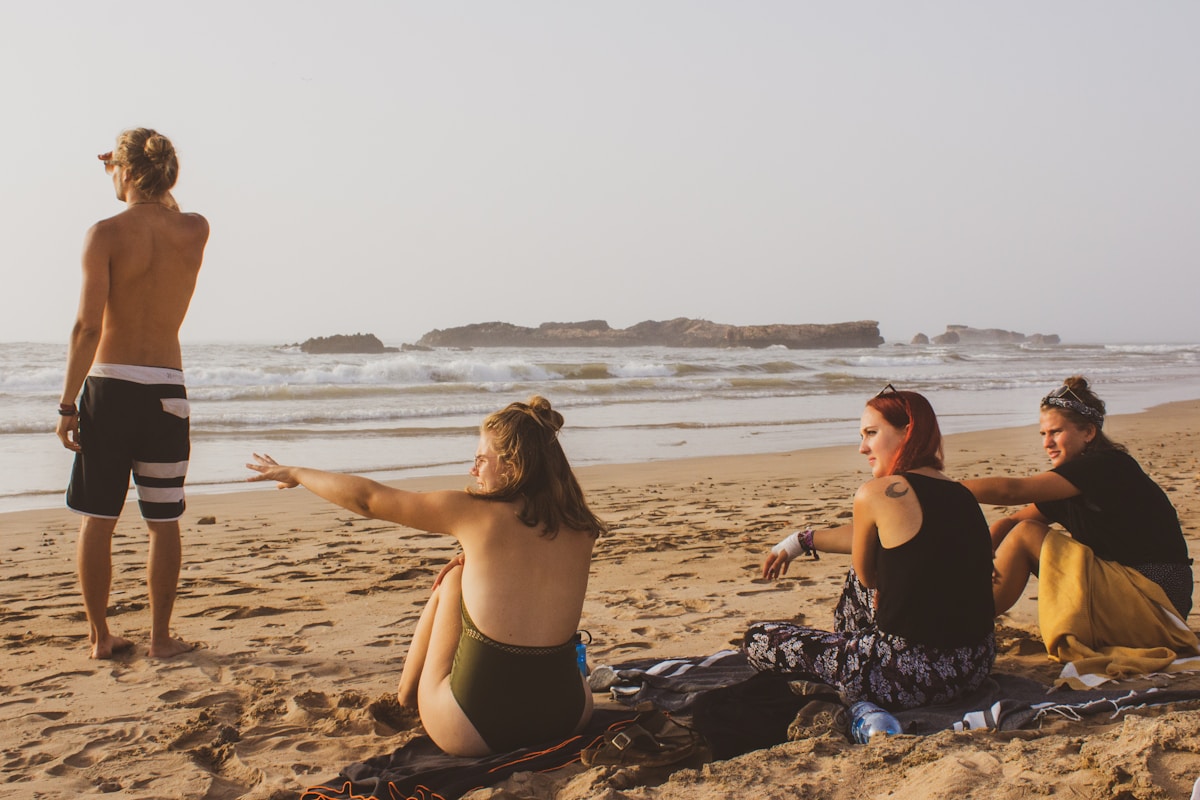
Taghazout is genuinely safe by regional standards. It’s a small village, not a major city, and the presence of an international surf community creates a relatively tight social fabric. That said, real risks exist—petty theft, ocean hazards, occasional harassment—and how you navigate them depends on awareness, not paranoia.
The Baseline: Taghazout Is Safe
Taghazout is safer than Marrakech, Fez, or larger Moroccan cities. Violent crime against tourists is rare; serious incidents make news precisely because they’re unusual. Police presence is visible and generally not hostile to tourists. Theft from accommodations or tourist-heavy spots is occasional but not rampant.
The international surf community (disproportionately Western, often with money) creates an ecosystem where petty crime exists but is manageable with basic sense. Locals depend on tourism; serious crime against tourists is bad for business.
That said, this is North Africa, not Western Europe. Vigilance matters. The following risks are real and worth understanding:
Petty Theft: Rare but Possible
Who targets tourists: Mostly street-level hustlers, not organised gangs. Bag snatching is the primary concern in Agadir city; it’s rarer in Taghazout village.
What gets stolen: Phone (high-value target), bags left unattended, items visibly left in cars.
Prevention:
- Don’t leave phones or valuables on café tables unattended.
- Avoid walking visibly displaying expensive gear (cameras, new headphones).
- Don’t leave bags or wallets in rental car windows.
- Use a money belt or hidden pocket for cash and cards.
- In Agadir city (not Taghazout), keep to main streets and travel with others at night.
Likelihood in Taghazout: Low. Most long-stayers report no theft issues. The village is small; theft has social consequences for locals.
Touts and Hustlers
Taghazout has some persistent touts and guides offering rides, restaurants, or experiences. They’re less aggressive than in Marrakech or larger cities, but they exist.
Scams to watch:
- Taxi overcharging: Always agree on a price before getting in. “Metre” (meter) doesn’t guarantee fair pricing; locals agree flat rates. Grand taxis (minibuses) have fixed shared rates (5–10 MAD between Taghazout and Tamraght).
- Restaurant up-charging: Tourist spots add 20–30% premiums. Ask locals for good-value spots. Prices in riads and tourist rooftops are 40–60% higher than local cafés.
- Fake guides: “Official guides” offering tours aren’t always official. Book through your accommodation if seeking guides; informal offers on the street are overpriced.
- Overpriced mint tea: Tourist spots charge 15–20 MAD for basic mint tea; local cafés charge 5 MAD.
Prevention: Ask locals or other travellers for fair prices before transacting. Be direct and matter-of-fact (“What’s the actual price?”). Touts are less persistent with people who seem confident and uninterested.
Solo Female Travel: Possible, with Context
Many women travel solo in Taghazout, particularly within the surf community where female travellers are a visible minority. It’s possible, but street harassment does occur and requires context.
Harassment likelihood: Occasional and mild compared to major Moroccan cities. You may experience:
- Street comments (“Hello, beautiful,” or similar)
- Persistent vendor approaches (“Where are you from?”)
- Unwanted interest from men looking to offer “friendship” or romance
This is not sexual assault territory, but it’s also not zero. Women report more frequent approaches than men experience.
Minimising harassment:
- Dress conservatively in town (cover shoulders and knees when walking around Taghazout village, especially away from the beach). Beachwear on the beach is fine.
- Wear a wedding ring (real or fake) to suggest you’re married; it genuinely reduces approaches.
- Use headphones (real or fake) while walking; it signals unavailability.
- Learn the Moroccan phrase “I’m married” (Rekti mezuwaja) or “Not interested” (Muhtaman be shay). Directness works.
- Stay in hostels or co-living spaces; they’re safer and more social than remote guesthouses.
The surf community advantage: Taghazout’s international, relatively liberal atmosphere around the beach and main street is notably different from inland Morocco. The presence of international women (visible, independent, working) normalises solo female travel and reduces harassment compared to traditional towns.
Night safety: Avoid walking alone at night (after 10pm) away from main streets. Taghazout is small; most places are close together. Shared taxis home are cheap (5–10 MAD) and common for evening social outings.
Ocean Hazards: The Real Risk
The biggest objective danger in Taghazout isn’t crime; it’s the sea. Beaches and breaks have real hazards:
Rip currents: Exist on several beaches, particularly Banana Beach. If caught in a rip (you’ll feel pulled seaward), don’t panic or fight it. Swim parallel to shore until out of the current, then swim back. Always swim with others and know conditions.
Reef cuts: Reef breaks (Boilers, Anchor Point, Hash Point) have sharp rocks and coral. Cuts are common. Always wear reef booties. Cuts can be deep and prone to infection; carry first aid (antiseptic cream, plasters).
Wave power: Winter swells are powerful. Respect conditions you’re not equipped for. Drowning is rare but not impossible if you misjudge your ability. Novices should stick to beginner-friendly breaks and use guides or take lessons.
Sun exposure: The Atlantic light is deceptive. You’ll burn faster than expected. Use SPF 50+ daily.
Rock hazards: Some beaches have large rocks and uneven footing. Wear proper water shoes or reef booties to avoid twists and cuts.
Prevention:
- Surf with others, not alone.
- Know your ability and stick to conditions you can handle.
- Wear reef booties.
- Use high SPF sunscreen and reapply after water.
- Check weather and swell forecasts (Magic Seaweed, Surfline) before heading out.
- Ask locals or your accommodation about current conditions.
Drugs: Don’t
Cannabis (kif) is culturally prevalent in Morocco and widely available. It’s also technically illegal. Possession carries real legal risk: fines, jail time, and deportation. Even small quantities create legal liability.
Tourists caught with drugs face deportation and future entry bans. The Moroccan legal system doesn’t treat drug cases lightly just because you’re a tourist. Avoid entirely.
General Safety Practices
Accommodation:
- Stay in established riads, hostels, or guesthouses with online reviews (Booking.com, TripAdvisor). Read recent reviews for theft reports.
- Avoid isolated properties far from the village center.
- Use the room safe for valuables.
Transportation:
- Use official taxis (recognize by “Taxi” sign on roof) or arrange rides through your accommodation.
- Grand taxis (minibuses) between towns are safe and the standard for locals.
- Rental cars are generally fine; avoid driving at night if unfamiliar with roads.
Cash and valuables:
- Don’t carry large amounts of cash. ATMs are reliable in Taghazout; withdraw as needed.
- Keep cards, ID, and cash in separate pockets (if stolen, not everything is lost).
- Bring a photocopy of your passport ID page (store digitally as backup).
Emergency numbers:
- Police: 19
- Ambulance: 15
- Your accommodation should have emergency contact info.
Travel Insurance
Travel insurance is essential and should include:
Standard coverage: Medical, evacuation, lost luggage, trip cancellation.
Adventure coverage: If surfing, hiking, or engaging in “adventure sports,” you need a specialist policy. Standard travel insurance excludes water sports and climbing. [Check policies with surf coverage explicitly mentioned]
Cost: 5–15 GBP per month depending on coverage and region.
Why it matters: A serious reef cut requiring stitches, a broken arm from a wipeout, or appendicitis in Agadir will be expensive without insurance. Taghazout has a clinic; serious injuries route to Agadir hospital (1 hour away). Insurance covers evacuation and treatment.
Regional Context: How Safe Is Taghazout vs Elsewhere?
Taghazout: Very safe. Small, tourism-dependent, low crime.
Tamraght: Equally safe, more local, less touristed.
Agadir city: Safe for day trips; some petty crime. Use normal city precautions (don’t carry lots of cash visibly, avoid dark alleys at night).
Marrakech, Fez, Casablanca: More touristy, more touts, higher petty theft. Not dangerous, but more vigilance needed.
Remote areas or small inland villages: Completely safe from crime perspective, but infrastructure (doctors, communication) is limited.
FAQ
Is Taghazout safe for solo female travellers?
Yes. Many solo women travel here. Harassment occurs occasionally, but it’s mild compared to major cities. Staying in communal accommodations and dressing conservatively in town mitigates risk. The surf community is relatively progressive.
Should I be afraid of crime?
No, not afraid. Aware. Taghazout’s crime level is low. Petty theft is the main concern, not violent crime. Standard urban precautions (don’t leave valuables visible, secure your bag) are sufficient.
What’s the biggest real risk in Taghazout?
Ocean hazards. Rip currents, reef cuts, and powerful waves kill more people than crime. If surfing, respect conditions, wear reef booties, and never go out alone. If not surfing, beach swimming is safe with basic water sense.
Do I need travel insurance?
Yes, especially if surfing. Standard policies exclude water sports. Medical costs without insurance are substantial. A month’s comprehensive coverage with adventure add-on is 8–15 GBP.
What should I do if I’m harassed?
Be direct and unmoved. A firm “Not interested” or “Leave me alone” works. The harasser often moves on to easier targets. Headphones and confident walking reduce approaches. If escalating, move toward other people or your accommodation.
Are police trustworthy?
Generally yes, especially for tourist issues. If you’re a victim of crime, report it to police for insurance purposes. Police are not typically aggressive toward tourists unless you’re involved in serious crime or drugs. Remain respectful.
What about pickpockets in crowds?
Taghazout doesn’t have crowds like Marrakech. The village is small. If you visit Agadir city, standard pickpocket precautions apply (back pockets, secure bags). Taghazout village: low risk.
Is it safe to walk at night?
In Taghazout village: yes, it’s small and well-lit on main streets. Avoid isolated dark paths. Beyond the village (hiking trails, isolated beaches): no, wait until daylight.
Last updated: April 2026
Home
Packing List
Visa and Entry
Best Time to Visit
Internet and SIM Cards