Devil's Rock: Tamraght's Accessible Beach Break
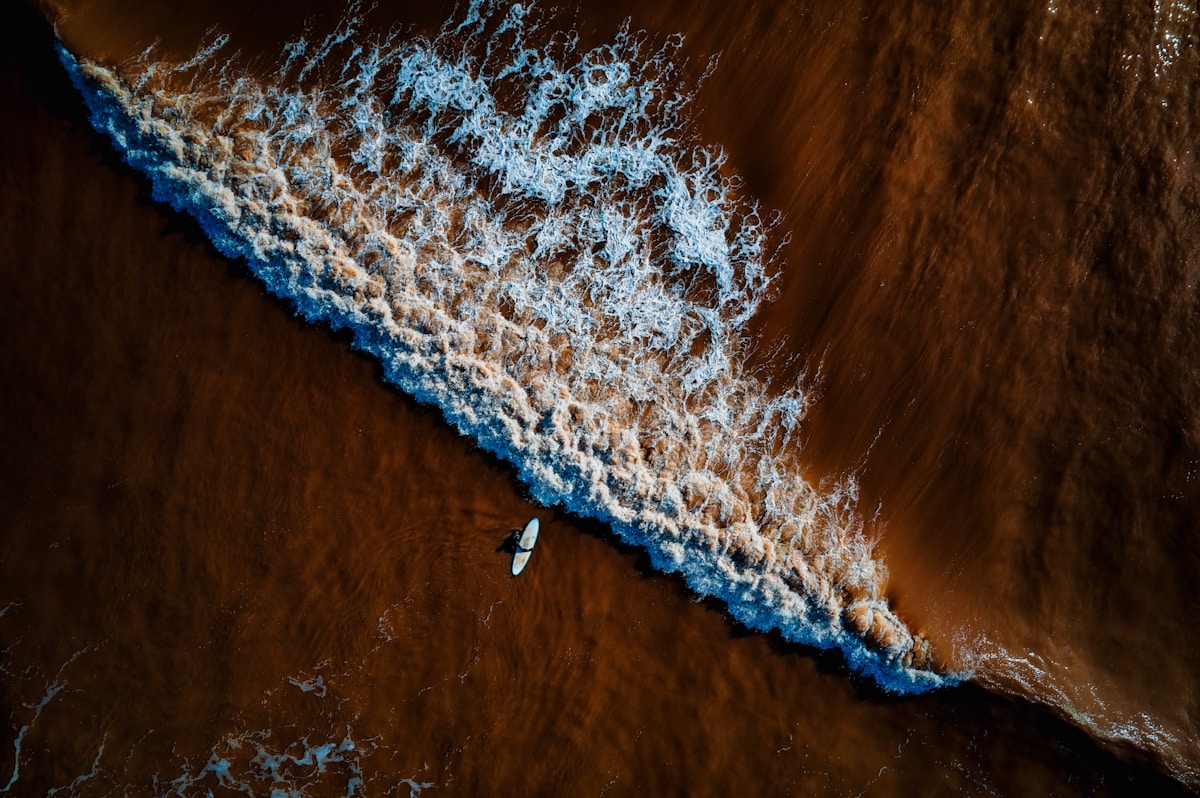
Devil’s Rock sits directly in front of Tamraght village, 2 kilometres south of Taghazout and walkable from almost every surf camp in the area. It’s not the most spectacular break on this coast — that honour belongs to Anchor Point or The Bay at Imsouane — but it’s one of the most useful. When the point breaks are too big, too crowded, or when you’re still finding your feet in the ocean, Devil’s Rock is where you go.
The name comes from the crocodile-shaped rocks that sit at the break. They give the spot character without making it hazardous — the seabed is sandy, the consequences of a wipeout are forgiving, and the waves are predictable enough that you can actually focus on surfing rather than survival.
The Wave
Devil’s Rock is a beach break with a sandy bottom. The waves predominantly break left, with occasional rights depending on sandbank formation and swell angle — the lefts are the reason to be here. At 1–2 metres (3–6 feet) on a regular winter swell, it produces clean, workable walls with enough push to practise turns and build confidence. On a bigger NW swell it can hold slightly more size, though the better surfers will have migrated north to Hash Point or Anchor Point by that point.
The sandy bottom matters. The point breaks north of Taghazout break over shallow reef and rock — taking a bad fall there carries real consequence. Devil’s Rock is more forgiving, and that forgiveness makes it the right place to be when you’re progressing through the early stages or when you want a relaxed session without thinking too hard.
The crocodile rocks themselves are present in the water and visible at lower tides. They don’t define the break the way a reef does, but maintaining awareness of their position is sensible — they’re what gave the break its name for a reason.
Best Conditions
Swell: W to NW, 1–3ft for beginners and intermediates. Handles slightly more in good conditions — up to 4ft on an organised swell — but above that, the shape can get messy and the energy at the point breaks will be better.
Wind: E/NE offshore, same as the rest of the coast. The morning window before the onshore wind builds is the best time to be here, as with everywhere in the bay.
Tide: Best around mid tide. Low tide can bring the crocodile rocks too close to the surface in sections; high tide can make the waves softer and less defined.
Best months: October to March for the most consistent swell. The summer months (June–August) can see smaller, more manageable conditions suitable for absolute beginners taking their first lessons.
Skill Level
Beginner to intermediate. The sandy seabed, beach break character, and predictable wave behaviour make Devil’s Rock one of the better spots in the area for learning to surf. Surf schools operate here regularly — you’ll often see lesson groups in the water on morning sessions.
Intermediates can get useful sessions here when the bigger breaks aren’t working or when they want to focus on technique. There’s enough wave to practise properly without the intensity of a reef break.
Advanced surfers will typically look elsewhere. Devil’s Rock rarely offers the power or quality that justifies it over the point breaks to the north when conditions are good enough for those spots.
Getting There
Devil’s Rock is directly accessible from the beach in Tamraght — walk down from any surf camp or guesthouse on the seafront and you’re there. The break is visible from the N1 coast road and from the Tamraght cliff above.
From Taghazout village, it’s a 10–15 minute walk south along the coast, or a short grand taxi ride.
No parking fees, no access track, no special knowledge required. It’s one of the most straightforward surf spots to reach in the area.
Equipment and Hire
Board hire is available close to the break. Merroqui Surf Shop, run by Marouan, sits on the main road directly opposite Devil’s Rock and stocks a range of softboards and shortboards. Also carries wax, leashes, and basic surf hardware.
For beginners, a foam longboard (malibu) or softboard is the right call at Devil’s Rock. The waves suit length rather than performance boards. Hire prices in the area: 60–80 MAD/day for a softboard, 80–120 MAD for a fibre board.
Wetsuit hire: 50–80 MAD/day. In winter (November–March), a 3/2 or 4/3 is appropriate. Summer sessions can be done without one.
Practical Info
- From Taghazout village: 10–15 min walk south, or grand taxi (~5–10 MAD)
- From Tamraght: Direct beach access — walkable from all surf camp accommodation
- Nearest cafe: Multiple options in Tamraght village above the cliff, 5 minutes’ walk
- Surf school activity: High — expect lesson groups in the water on most mornings in season
- Competitions: Occasionally used for local surf competitions — if there’s a comp running, the water will be reserved and crowded
FAQ
Is Devil’s Rock good for complete beginners?
Yes — it’s one of the better beginner spots in the area. Sandy bottom, forgiving waves, easy access, and surf schools on site. A good place for a first lesson or first few sessions.
How does Devil’s Rock compare to Hash Point?
Hash Point is a right-hand point break over reef — longer rides, better shape, more power, more consequence. Devil’s Rock is a beach break, predominantly lefts, over sand. Hash Point is the upgrade once you’re surfing confidently; Devil’s Rock is where many people build the confidence to get there.
Is it crowded?
Less than Hash Point, particularly on weekday mornings. Surf school groups arrive in the morning — if you want fewer people around, go early or later in the afternoon.
Can I surf Devil’s Rock year-round?
Yes — it works year-round. Summer swells are smaller, which suits absolute beginners. Winter swells from October to March give intermediates more to work with.
Last updated: April 2026
Surf spot guide: CroCro Surf spot guide: Hash Point Surf spot guide: Boilers Compare all Taghazout surf spots See all surf spots in the Taghazout area
Book Activities in Taghazout
Find guided surf lessons, day trips to Paradise Valley, camel treks, and more — all bookable online before you arrive.
Browse activities on GetYourGuide →