Morocco Tourism Investment Shifts to Atlantic Coast
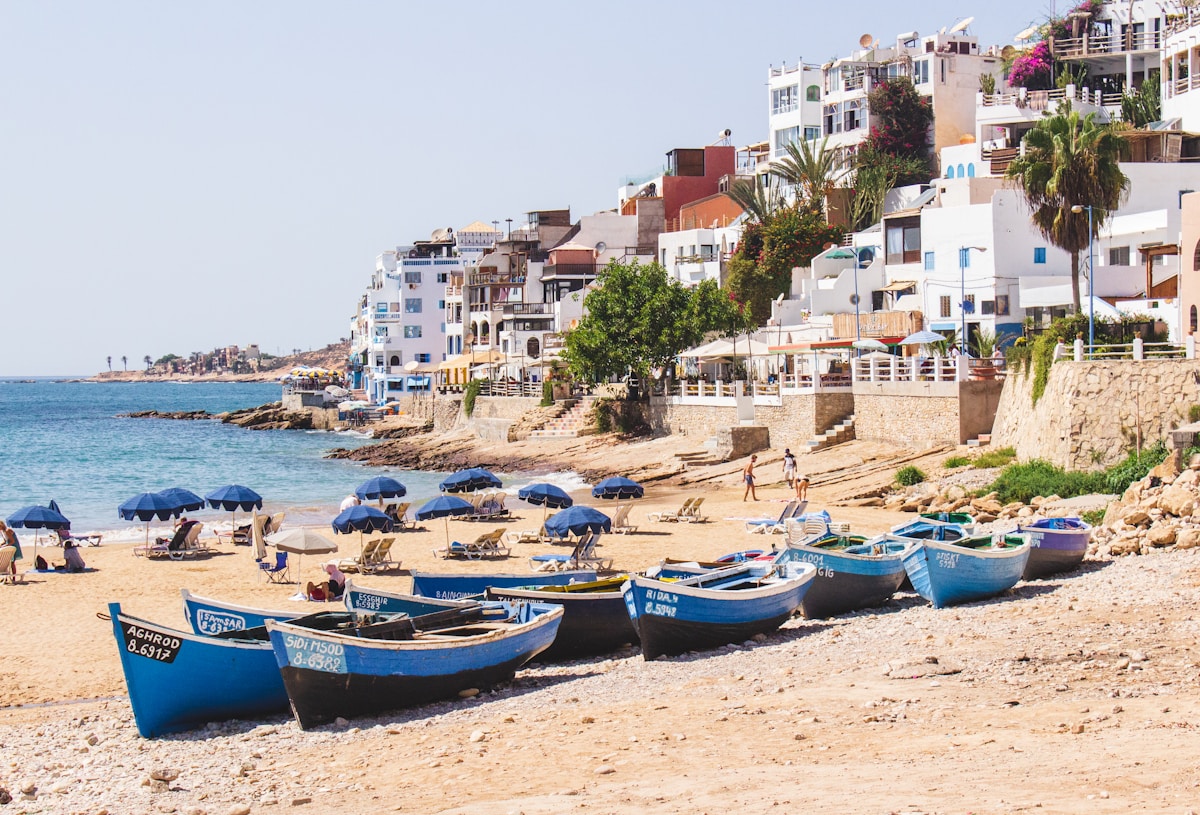
A new analysis published by Skift this week shows Morocco is actively redirecting its tourism investment strategy away from its two dominant hubs — Casablanca-Settat and Marrakech-Safi — and toward underdeveloped coastal and southern regions. For anyone planning a trip to the Atlantic surf corridor, the direction of travel is clear: the Souss-Massa coast is increasingly on the radar of serious tourism investors.
Why the strategy is shifting
The two dominant regions currently absorb roughly 60% of Morocco’s total tourism investment — nearly $800 million in 2025 alone. Morocco’s national strategy now targets 26 million visitors by 2030 in the run-up to co-hosting the FIFA World Cup, and reaching that number requires spreading beds and infrastructure more evenly across the country. New legislation and financial incentives have been put in place to encourage developers to build in areas where supply has consistently lagged behind visitor demand.
The Souss-Massa region — home to Agadir, Taghazout, and Tamraght — is among the coastal corridors named in regional investment plans. The practical implications over the next two to three years include new accommodation capacity, road improvements, and a broadened air connection network as carriers follow capital.
What the numbers behind the trend look like
Morocco recorded 4.3 million international arrivals in the first quarter of 2026, a 7% year-on-year increase, with tourism revenue reaching record levels. That demand is structurally outpacing supply in established destinations, which is exactly what gives the underdeveloped regions their investment case. Investors building in Souss-Massa today are positioning ahead of a crowd that will find Marrakech full.
For visitors, the shift signals that Agadir and the towns around Taghazout are entering a period of genuine development rather than slow drift. New surf camps, boutique riads, and coastal hotels are in various stages of planning. The infrastructure serving the road transfer from Agadir to Taghazout is also earmarked for improvement under the broader 2030 programme.
Reading the investment signal as a traveller
Tourism investment typically leads visible change on the ground by two to three years. For now, Taghazout and the surrounding coast retain the low-key character that draws surfers and slow travellers — but that window will not stay open indefinitely. If you’ve been weighing up when to go, our best time to visit guide covers swell, crowds, and weather across every month of the year.
Flight access into Agadir Al Massira has already improved significantly, with European carriers expanding Morocco routes for winter 2026/27. For current route options and airport transfer advice, see our flights to Taghazout guide.