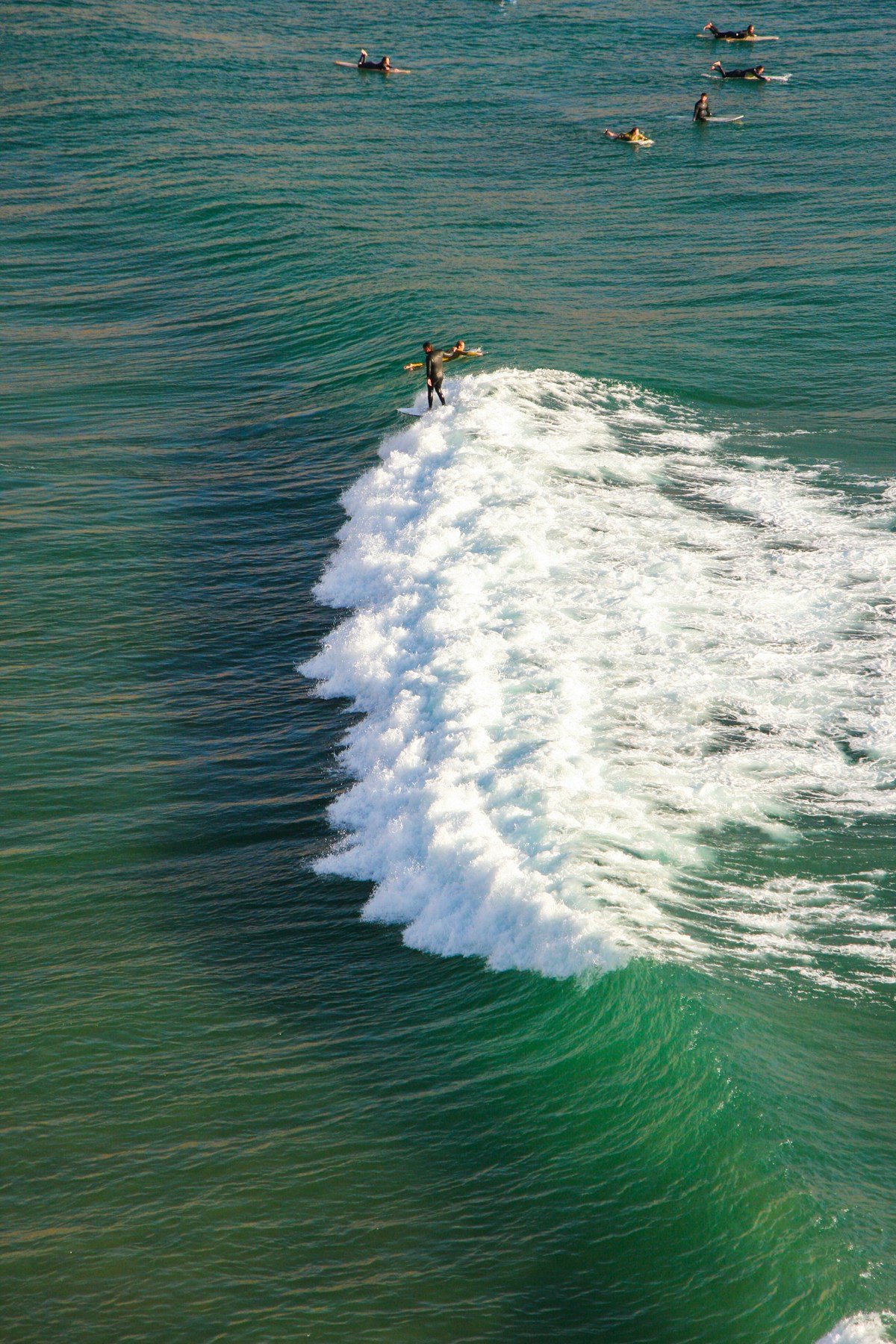
March is the last month of Taghazout’s reliable swell window and, for many visitors, the most enjoyable overall. Temperatures are warmer than February, the days are longer, and the point breaks north of the village are still firing. By late March the swell begins its gradual tapering - but there are still excellent sessions to be had, and the daytime warmth makes non-surf days genuinely pleasant.
Surf in March
The Atlantic swell season extends through March, though with slightly less consistency than January and February. Swell events are still regular - expect 2–3 quality sessions per week on a good March - but flat spells of two to three days become more common as the month progresses.
Swell: Average 1.5–3m, NW direction, with larger episodes at the start of the month tapering toward the end.
Anchor Point is still the benchmark on a solid NW swell - early March can produce sessions as good as February. Hash Point works across the month and handles the crowds reliably. Panoramas and Banana Point come into their own in the smaller swell windows later in March - good for intermediates and beginner-friendly days. Imsouane is excellent when Taghazout’s main breaks go flat.
Water temperature: 19°C - slightly warmer than February. Most surfers use a 3/2mm wetsuit throughout March.
Wind: Similar to February. Mornings tend to be cleanest. Afternoon onshore winds are more variable than in peak winter.
Weather in March
March is one of the most pleasant months weather-wise. Daytime temperatures average 16–21°C - warm enough for a t-shirt in the afternoon sun. Evenings are cool at 11–14°C. Days are noticeably longer than January–February, with sunset around 7pm by end of March.
Rain is possible but less common than January–February. The landscape is at its greenest in early March; by late March the heat begins to dry things out.
What to pack: 3/2mm wetsuit, light layers for evenings, sunscreen. A light waterproof for occasional showers.
Ramadan Consideration
Ramadan follows the Islamic lunar calendar and falls in late February to March some years (check the current year’s dates before booking). During Ramadan, local cafes may adjust hours around the iftar (sunset meal), and the general pace of village life shifts. Tourist-facing restaurants remain open, surf camps continue operating, and services are largely unaffected - but it’s worth knowing the context. Taghazout is a surf-tourist hub and handles Ramadan more smoothly than traditional Moroccan medinas.
Crowds and Prices
March is the second-busiest surf month after February. Easter falls in late March or April and brings a spike of holiday visitors in the final week. Book accommodation well in advance - quality surf camp packages for March sell out months ahead.
Prices remain at high-season rates through the month. If you’re flexible, the second week of March tends to be slightly less crowded than the first or the Easter period.
Search hotels in Taghazout on Booking.com
Activities in March
The warmer days open up more non-surf activities than January and February.
Paradise Valley: March is a good month for Paradise Valley - the pools are full from winter rain, the weather is comfortable for hiking, and summer crowds haven’t arrived yet.
Hiking: The Taghazout coastal path and inland trails are enjoyable in March temperatures. See the hiking guide.
Camel trekking: Organised from Taghazout - better in March’s cooler temperatures than summer heat.
Essaouira: Worth a full-day trip. The blue-and-white medina and Gnawa music scene make Essaouira a compelling contrast to surf village life.
Who March Suits
Best for: All surf levels - intermediate and advanced surfers get consistent swell, while beginners find smaller swell windows and warm conditions ideal for learning. Non-surfers enjoy the best weather of the surf season.
Less ideal for: Anyone needing guaranteed big surf every day - late March is more variable than peak season.
March at a Glance
| Swell | Good to excellent (1.5–3m NW) |
| Daytime temp | 16–21°C |
| Water temp | 19°C |
| Wetsuit | 3/2mm |
| Crowds | High, Easter spike in final week |
| Accommodation | High-season rates, book ahead |
Planning Tips
Book March accommodation at least 6–8 weeks in advance. Easter week is particularly busy - if you want Easter in Taghazout, book months ahead. For the best balance of swell and crowds, target the second week of March. Check the Ramadan calendar for the current year before finalising dates. Pre-booked airport transfers to Taghazout are worth arranging ahead - taxi availability at the airport can be stretched in peak season. Surf lessons in Taghazout are in high demand in March, so book those early too.
Taghazout in April - shoulder season begins Taghazout in February - peak swell month Best time to visit Taghazout - full seasonal breakdown Yoga retreats in Taghazout - popular in March