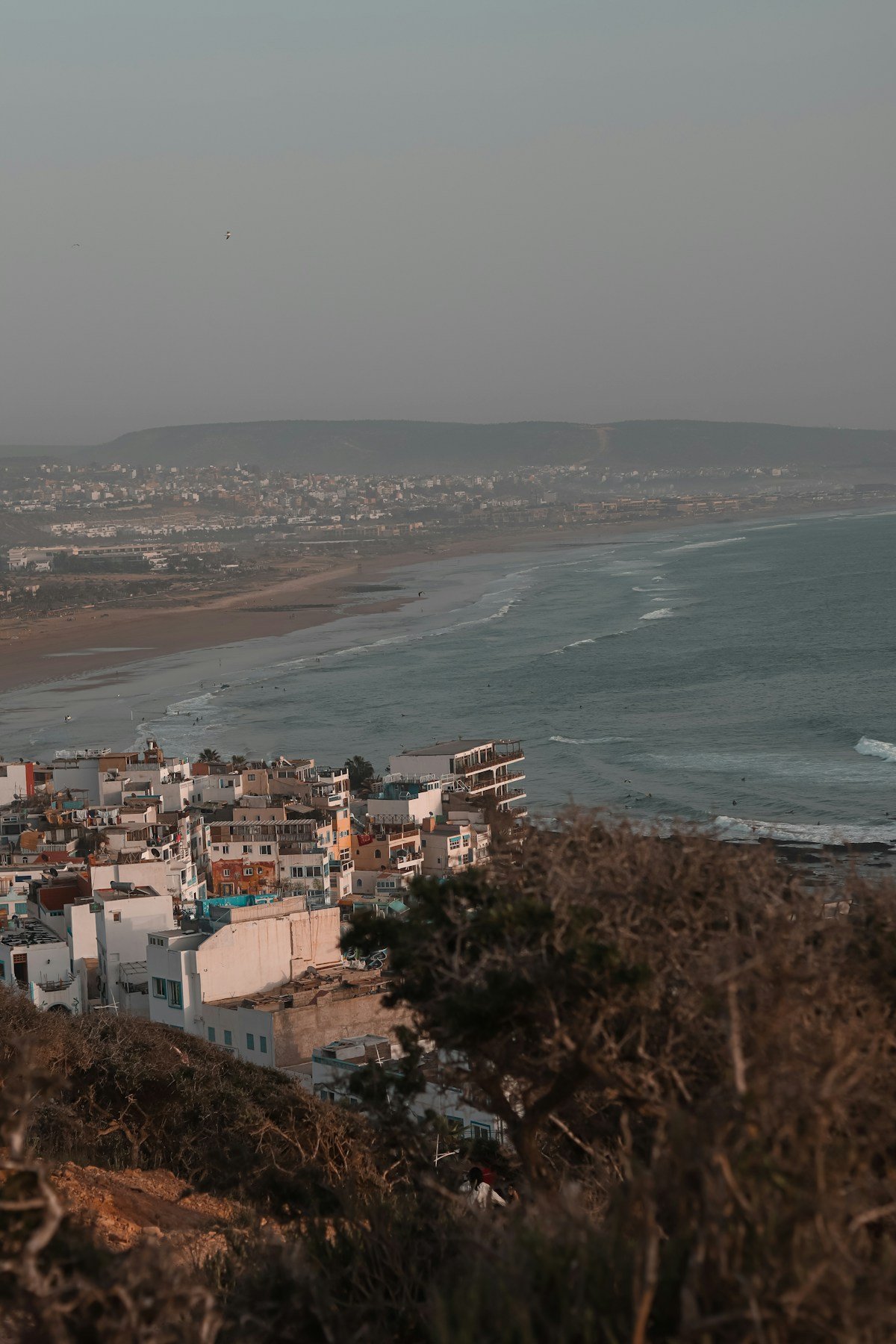
September is the month the surfing community returns to Taghazout. Not immediately - early September is still the tail of summer, flat and warm - but the shift is visible and tangible by mid-month. The beaches clear of holiday crowds, the surf camp staff start talking about the forecast again, and the first proper sets of the autumn start arriving from the North Atlantic. It’s a transitional month, and the transition is worth experiencing.
Surf in September
September is a rebuilding month. The North Atlantic begins generating consistent low-pressure systems in late August and September, pushing the first proper groundswells south towards Morocco. The shift from summer flatness to autumn swell doesn’t happen overnight, and September swell is characterised by variability - some weeks deliver good surf, others are flat.
Swell: Average 0.5–1.5m, building through the month. Early September is often similar to August - minimal swell. By late September, 1.5–2m NW groundswell events become more frequent.
What works in September: By mid-to-late month, Hash Point and Panoramas are producing decent sessions. Anchor Point needs 2m+ to fire properly and this is marginal in September - but on the right swell event in late September, the point breaks are excellent. Imsouane is consistently better than the Taghazout breaks in September’s smaller swell windows.
Water temperature: 21°C - still warm from summer. A 2mm wetsuit or rashguard is adequate; some surfers paddle out in boardshorts alone in early September.
Wind: More variable than winter. Morning sessions are often the cleanest, with afternoon thermal winds building onshore.
Weather in September
September is warm and drying out. Daytime temperatures average 22–27°C - warmer than the surf season winter months but cooler than July–August. Evenings are pleasant at 16–20°C. Days are shortening noticeably (sunset around 7:30pm by end of September).
Rainfall is rare in September but not unknown - a brief shower or two can appear, particularly later in the month. The landscape is at its driest and most brown; the green of post-rain Morocco won’t return until December.
What to pack: Summer clothes still work in early September; add a light layer for evenings from mid-month onward. 2mm wetsuit or rashguard. Light fleece for late September evenings.
Crowds and Prices
September sees a clear crowd reduction from the summer peak. Moroccan school holidays end early September, and European families with school-age children return home at the same time. By mid-September, Taghazout’s lineups and village have a distinctly calmer feel.
Accommodation prices drop from peak summer rates. September is generally good value - closer to shoulder-season pricing than summer peak. Last-minute booking is usually feasible.
Search hotels in Taghazout on Booking.com
Activities in September
September’s warm weather and lower crowds make it a strong activity month:
Paradise Valley: Excellent in September - warm enough to swim comfortably, less crowded than summer, accessible in the afternoon heat without too much discomfort.
Hiking: The coastal and inland trails are pleasant in September temperatures. The countryside is dry and golden; the light in the late afternoon is particularly good.
Yoga retreats: Several centres run September programmes - the month is popular with the yoga crowd, who tend to arrive as the surf crowd hasn’t fully returned.
Agadir and Essaouira: Both are in a good shoulder-season state in September - active and open, but with more space than summer.
Who September Suits
Best for: Surfers willing to be flexible on swell - September rewards patience, with good days interspersed with flat spells. Non-surfers who want warm weather without summer crowds. Anyone looking for good value compared to December–March.
Less ideal for: Surfers who need consistent quality swell every session - September can disappoint with multiple flat days in a row, particularly in the first two weeks.
September at a Glance
| Swell | Variable, building (0.5–1.5m) |
| Daytime temp | 22–27°C |
| Water temp | 21°C |
| Wetsuit | 2mm or rashguard |
| Crowds | Moderate and falling |
| Accommodation | Good value, easy to book |
Planning Tips
For the best September surf, target the second half of the month - the first two weeks are often still summer-flat. Late September can deliver sessions comparable to early October if the Atlantic cooperates. Check swell forecasts on Windguru in the week before you travel - a good late September swell event makes the whole month worthwhile. Surf lessons in Taghazout are easier to book in September than in peak months, and prices are often lower. Car hire from Agadir Airport makes day trips to Imsouane and Essaouira convenient as swell windows emerge.
Taghazout in October - the surf returns in full Taghazout in August - the month before Taghazout in May - the spring equivalent of September’s shoulder season Best time to visit Taghazout - full seasonal breakdown